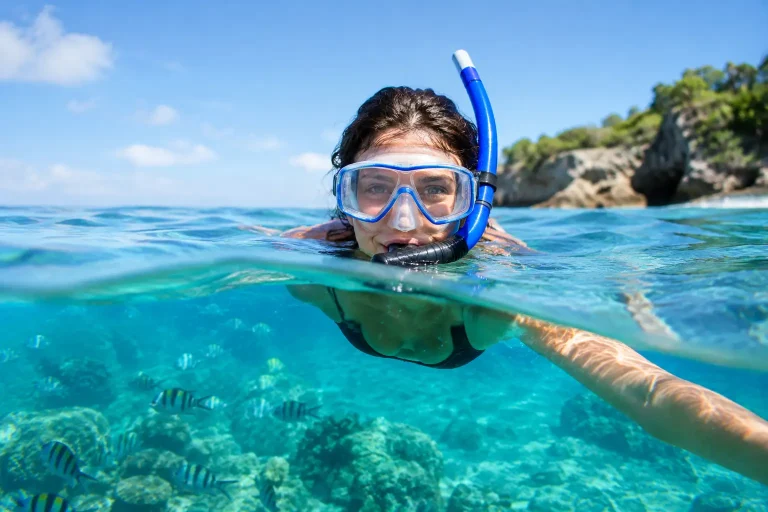
The first thing you notice in the water is not always the big animal everyone came hoping to see. It might be a bright blue tang flashing past your mask, a school of yellowtail snapper moving like one nervous little cloud, or a sergeant major acting very serious about a patch of reef. That is the fun of tropical fish snorkeling Puerto Rico: there is always something happening if you slow down long enough to look.
For visitors staying near San Juan, a shore-entry snorkel can put you in that underwater action without burning half the day on a boat ride. You walk in from the beach, get comfortable with your gear, and swim out with a guide who knows where fish, turtles, rays, and other residents tend to pass through. It is easy access, but it is still open water. That distinction matters.
What Makes Puerto Rico Great for Tropical Fish Snorkeling
Puerto Rico has warm Caribbean water, rocky reef structure, seagrass, and protected pockets that create food and shelter for marine life. Tropical fish do not need a dramatic offshore drop-off to show up. In the right nearshore habitat, they are already there, doing fish business a short swim from the sand.
Around Condado, snorkeling is less about being dropped over a distant reef and more about moving quietly through a living coastal environment. You may see parrotfish grazing along rocks, blue tangs weaving through the water, squirrelfish tucked into shadows, trumpetfish trying their best impression of a floating stick, and schools of grunts cruising together.
The bigger wildlife gets the headlines, understandably. Sea turtles, manatees, rays, starfish, and octopus are the kind of sightings people talk about all week. But tropical fish make the snorkel feel alive from beginning to end. They are the color, motion, and surprise between the headline moments.
Visibility changes with weather, wind, rain, swell, and recent water movement. Clear water can make it feel like an aquarium with no walls. On a lower-visibility day, you may need to focus closer to the reef and let your eyes adjust. That does not automatically mean a bad tour. Fish are often still there. You just have to stop expecting a postcard and start paying attention.
Shore Entry Means You Are Actually Swimming
Let’s be blunt: shore-entry snorkeling is not floating beside a boat ladder in a calm marina. You enter from the beach and swim beyond the designated swimming area into open water. That is exactly why it feels more real, and exactly why guests need basic swimming ability and comfort in the ocean.
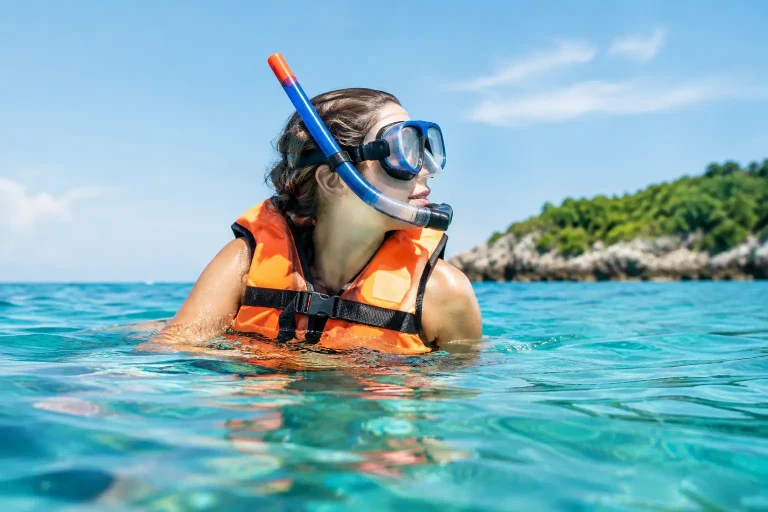
A good guided experience starts with the unglamorous stuff. Your guide checks gear fit, explains how to clear a mask, reviews how to use a snorkel, and tells the group what the water is doing that day. Life jackets are not a sign that you failed snorkeling. They help conserve energy, improve buoyancy, and let you keep your face down watching wildlife instead of wasting your whole trip treading water.
At Champion Snorkel, the experience is built around a roughly one- to one-and-a-half-hour guided shore snorkel at Playita del Condado. Gear and USCG-approved life jackets are provided, but guests still need to bring the right attitude: show up on time, listen to the guide, and be ready to swim.
This trip is usually a strong fit for active teens, couples, families with older kids, and friend groups who want a wildlife experience that can fit into a San Juan day. It is less ideal for anyone who is terrified of open water, cannot swim, or expects to stand up whenever they feel like it. No shame in knowing your limits. The ocean does not care how good your vacation photos look.
The best way to see more fish
The most common beginner mistake is swimming too hard. Fast kicks, arms splashing, and constant mask-adjusting make you tired and can scatter fish from the spot you are trying to watch.
Instead, float calmly. Keep your body horizontal, use slow fin kicks, and look into cracks, along reef edges, and just above the seagrass. Fish often blend into their surroundings until they move. Give your eyes a minute. The ocean rewards patience more than frantic paddling.
Your guide may point out animals you would absolutely miss on your own. That is not because you are bad at snorkeling. A trained wildlife spotter knows the shapes, hiding places, and behavior patterns worth noticing. An octopus is not going to wave a flag. A ray may be nearly invisible against the bottom. A turtle can appear and disappear faster than you expect.
Wildlife Is Wild, Not a Prop
Here is the deal: no reputable operator can promise a specific animal on a specific day. Manatees move. Turtles surface where they want. Rays have their own schedule, and no one has ever successfully convinced an octopus to respect a reservation time.
That unpredictability is the whole point. These are free-ranging animals, not captive encounters staged for a camera. A responsible snorkel trip gives you access to habitat and knowledgeable guidance, not a guarantee that nature will perform on command.
When an animal does appear, give it room. Do not touch, feed, chase, corner, pet, or attempt to hitch a ride on anything with fins. Touching wildlife can stress animals, damage protective coatings, alter their behavior, and create a dangerous situation for both of you. Yes, even if the turtle looks like it has seen this nonsense before.
The same rule applies to starfish and reef life. Look closely, take your photos from a respectful distance, and leave everything where it is. A great wildlife encounter is one where the animal gets to continue its day completely unbothered by yours.
What to Bring for a Better Snorkel
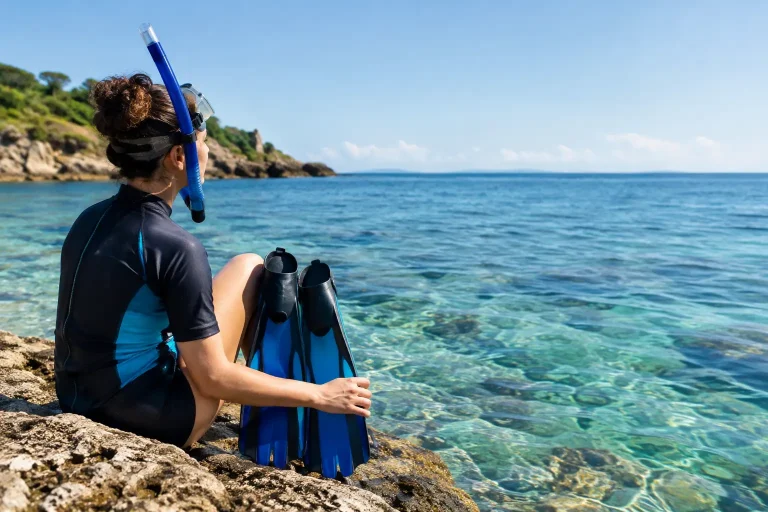
You do not need to show up carrying a giant mesh bag of gear. If your guided trip provides a mask, snorkel, fins, and life jacket, bring the personal basics: swimwear, a towel, drinking water, and reef-conscious sunscreen applied before entering the water. A rash guard is a smart move for sun protection and can make you more comfortable in the water.
If you wear glasses, plan ahead. Standard masks do not work over regular eyeglasses. Contact lenses may work for some guests, while prescription snorkel masks can be an option if you own one. Do not wait until you are standing on the beach to realize you cannot see a fish three feet from your face.
A waterproof camera can be fun, but do not let filming become the entire trip. First-time snorkelers often spend so much time trying to frame a perfect video that they miss the animal right beside them. Take a few clips, then put the camera down and actually be there.
Timing, Conditions, and Expectations
Morning conditions can sometimes feel calmer and clearer, but the best departure time depends on the day. Wind direction, wave action, rain, and water clarity all matter more than a generic rule about the perfect hour. Guides assess real conditions, not just what looked nice on a weather app last night.
If conditions are unsafe, the correct move is to reschedule. That can be frustrating when you are on a tight itinerary, but forcing a tour into poor water helps nobody. Build a little flexibility into your vacation if wildlife snorkeling is high on your list.
Also, arrive early. A group cannot hold the water in place while someone is running late, and a rushed start is not a great way to begin an open-water activity. Eat something light beforehand, hydrate, and avoid showing up exhausted from a late night if you want your swim to feel good.
The best tropical fish snorkeling in Puerto Rico is not about checking off a species list. It is about slipping below the surface, getting quiet, and realizing that a busy little Caribbean neighborhood has been there the whole time. Bring your curiosity, respect the water, and let the wildlife set the pace.